Hong Kong to Shenzhen for the Day: Choosing a Border Crossing (as of November 2026)
Hi — I'm a university student living in Dongguan, Guangdong. I study Japanese, so I often end up showing friends from Japan the way from Hong Kong into Shenzhen, and the question always comes up: "So where do we actually cross?" This piece walks through how I choose a crossing (known locally as a kou'an, or port), checked against official information as of November 2026.
Entry rules first: Japanese passports get 30 days visa-free
This guide was originally written for travelers with Japanese passports, and the rule below is the one that applies to them. If you hold a different passport, check your own entry requirements with the Chinese embassy in your country.
As of November 2026, holders of ordinary Japanese passports can stay up to 30 days without a visa for tourism, business, visiting family, exchanges or transit. According to the Chinese Embassy in Japan, this visa exemption has been extended "until 24:00 on December 31, 2026 (Beijing time)." The Embassy of Japan in China carries the same notice.
What happens from 2027 onward, however, I haven't yet been able to find an announcement for. If you're traveling over the New Year, be sure to check the embassy's latest notices before you leave.
You can file your arrival card online in advance through the National Immigration Administration website (s.nia.gov.cn), the "NIA 12367" app, or the WeChat and Alipay mini programs. Paper cards and kiosks are also available at the crossing, but at busy times doing it on your phone beforehand makes things much easier. Filing is free, so be wary of any site that asks you to pay.
The main crossings compared
Based on official information from Hong Kong's Immigration Department and the Shenzhen Port Office, here are the crossings you're most likely to use on a day trip.
| Crossing (HK side / Shenzhen side) | Opening hours | Getting there from central Hong Kong | Where you come out in Shenzhen |
|---|---|---|---|
| Lo Wu / Luohu | 6:30–24:00 | Lo Wu, the end of the MTR East Rail line | Luohu (Metro Line 1, Luohu station) |
| Lok Ma Chau Spur Line / Futian | 6:30–22:30 | Lok Ma Chau on the MTR East Rail line (branches off after Sheung Shui) | Futian (Metro Lines 4 and 10, Futian Checkpoint station) |
| Shenzhen Bay | Passengers 6:30–24:00 | Cross-border coach or regular bus | Nanshan / Shekou |
| Heung Yuen Wai / Liantang | 7:00–22:00 | Cross-border coach or regular bus | Eastern Luohu (Liantang) |
| High-speed rail, West Kowloon | 6:30–23:30 | High-speed train from West Kowloon station | Futian station, Shenzhen North station, etc. |
| Huanggang (new port) | 24 hours | Cross-border coach, regular bus or minibus | Futian (Huanggang) |
Opening hours are as listed in the Hong Kong Immigration Department's "Control Point Locations" and by the Shenzhen Port Office (as of October 2026).
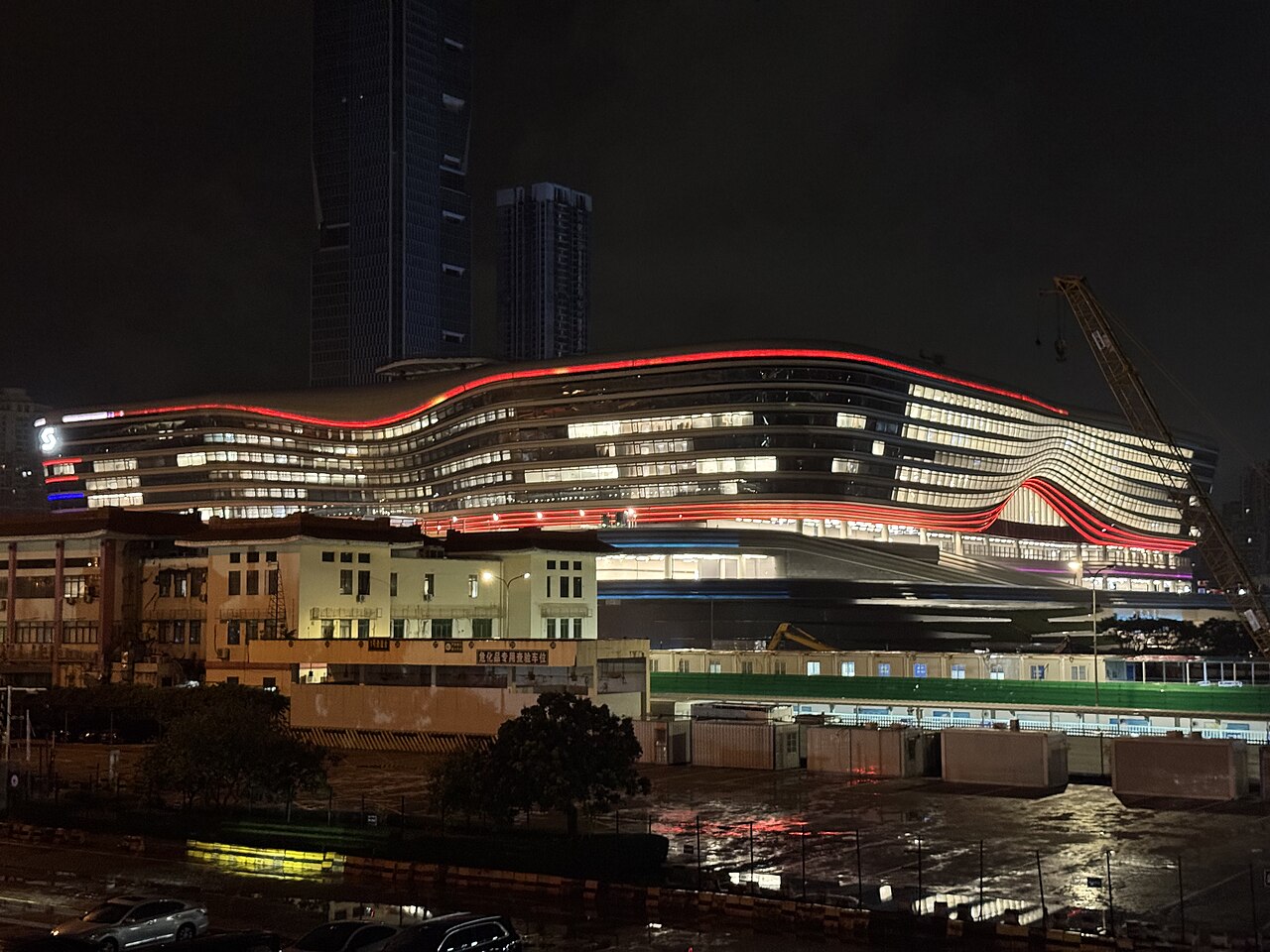
There's one important change. At 6:30 a.m. on October 12, 2026, the rebuilt Huanggang Port opened. Along with it, the Hong Kong-side Lok Ma Chau Control Point — previously used for crossing by vehicle — and Huanggang's temporary passenger terminal stopped handling passengers. When older articles online say "Lok Ma Chau (Huanggang) is open 24 hours," read that today as the new Huanggang Port. The Lok Ma Chau Spur Line (Futian) crossing that you reach by MTR is a separate crossing, and it stays at 6:30–22:30.
When to use each one
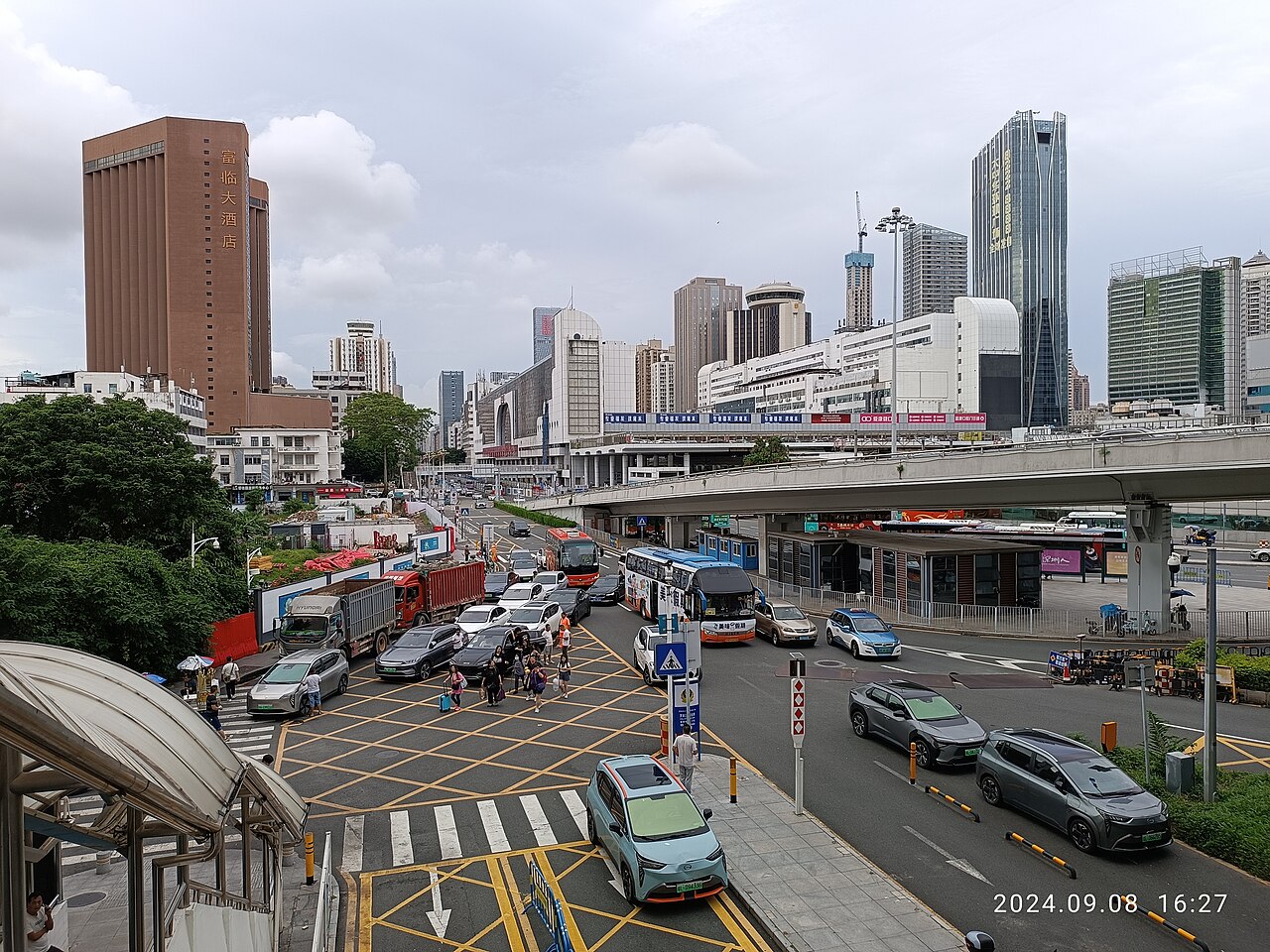
Luohu is the classic choice. From Admiralty you can ride the East Rail line all the way to the end without changing, and the adult fare is HK$52.2 by Octopus or HK$55.5 with a single-journey ticket (MTR Trip Planner, checked November 2026). MTR's estimate is about 45 minutes (an estimate that includes waiting time during the weekday morning rush; some routes take 50-plus minutes). Right outside the crossing are Luohu Commercial City and the Metro Line 1 station, so it's hard to get lost even on your first visit. Weekend mornings, though, are very crowded.
Lok Ma Chau–Futian is my top pick if you're heading to the Futian CBD or Huaqiangbei, the electronics district. The spur line branches off after Sheung Shui, so check the destination display on your train carefully. It closes early, at 22:30, so on days you'll be out late, it's safer to switch your return to Luohu.
Shenzhen Bay is a "co-location" crossing, where Hong Kong and Shenzhen clearance happen in the same building. It's convenient for Shekou, Shenzhen Bay Park and Nanshan's tech district, but there's no direct rail link from central Hong Kong, so most people take a cross-border coach.
Heung Yuen Wai / Liantang is a relatively new crossing that started handling passengers in 2023, and it brings you out on the east side of Luohu. It's an option if you're heading east toward Dameisha, but note that it closes at 22:00.
High-speed rail (West Kowloon) is the fastest in terms of time on board — about 14 minutes to Futian. Both Hong Kong and mainland immigration are handled inside West Kowloon station. On the official high-speed rail fare table in Hong Kong dollars (effective November 1, 2026), an adult second-class seat is HK$79 to Futian and HK$88 to Shenzhen North; first class is HK$127 to Futian and HK$140 to Shenzhen North. Hong Kong dollar fares are revised on the 1st of each month in line with exchange rates, though, and the amount shown by the system when you buy takes precedence. According to the official high-speed rail website, real-name and ticket checks on level B1 of West Kowloon station close 30 minutes before departure, and the boarding gates on B3 open 15 minutes before departure and close 5 minutes before. The whole process usually takes 30–45 minutes, and passengers are advised to allow extra time on weekends and holidays and when traveling on a passport, so arrive with time to spare. Door to door, it sometimes isn't much different from the East Rail line; I use it on days when I'm going on to Shenzhen North or Guangzhou.
Cross-border coaches run straight to the crossings from places like Mong Kok, Tsim Sha Tsui and Wan Chai, which suits travelers with a lot of luggage or anyone who'd rather not change trains. Hong Kong's Transport Department has announced five 24-hour short-haul cross-border coach routes serving the new Huanggang Port. Fares vary by company and time of day, so I won't list them here (check each company's official announcements for current fares).
How long it takes
To be honest, waiting times at the crossings vary enormously by day and time. Luohu Port's official introduction says it "aims to keep clearance waits within 30 minutes," but on weekend and holiday mornings it can take longer. When I crossed, the immigration procedure itself took about five minutes — but that was at a quiet time, and it varies a lot with the day, the hour and the crowds. For the whole trip from central Hong Kong to the streets of Shenzhen, it's safest to plan with plenty of margin.
Getting payments and internet ready
Shenzhen is almost entirely cashless; even street stalls and the metro run on Alipay or WeChat Pay. If you link a credit card issued abroad to Alipay, the officially stated rule is no fee on payments of 200 yuan or less, and a 3% fee on the full amount for payments over 200 yuan. I've covered the setup steps and the usual sticking points in a separate article, "Alipay for Foreign Visitors: Where People Get Stuck in 2026." It's also reassuring to carry a little cash in yuan, just in case.
As for the internet, on the mainland Google, LINE, Instagram and similar services don't work normally. Some data SIMs and eSIMs sold in Hong Kong work on the mainland as is, so before you go, it's worth checking that the one you buy says it supports mainland China. Using roaming from your home carrier is another option.
A sample day trip (entering via Futian)
- 9:00 East Rail line from Admiralty to Lok Ma Chau
- Around 10:30 Exit Futian Port and take the metro to Huaqiangbei; wander the electronics district
- 12:30 Lunch: Chaoshan beef hotpot or Cantonese dim sum
- 14:00 Stroll along the waterfront at Shenzhen Bay Park or Talent Park (metro toward Nanshan)
- 16:30 Cafés and a walk around Nantou Ancient City
- 19:00 After dinner, return to Hong Kong via Luohu Port (it's open until 24:00, so no rush)
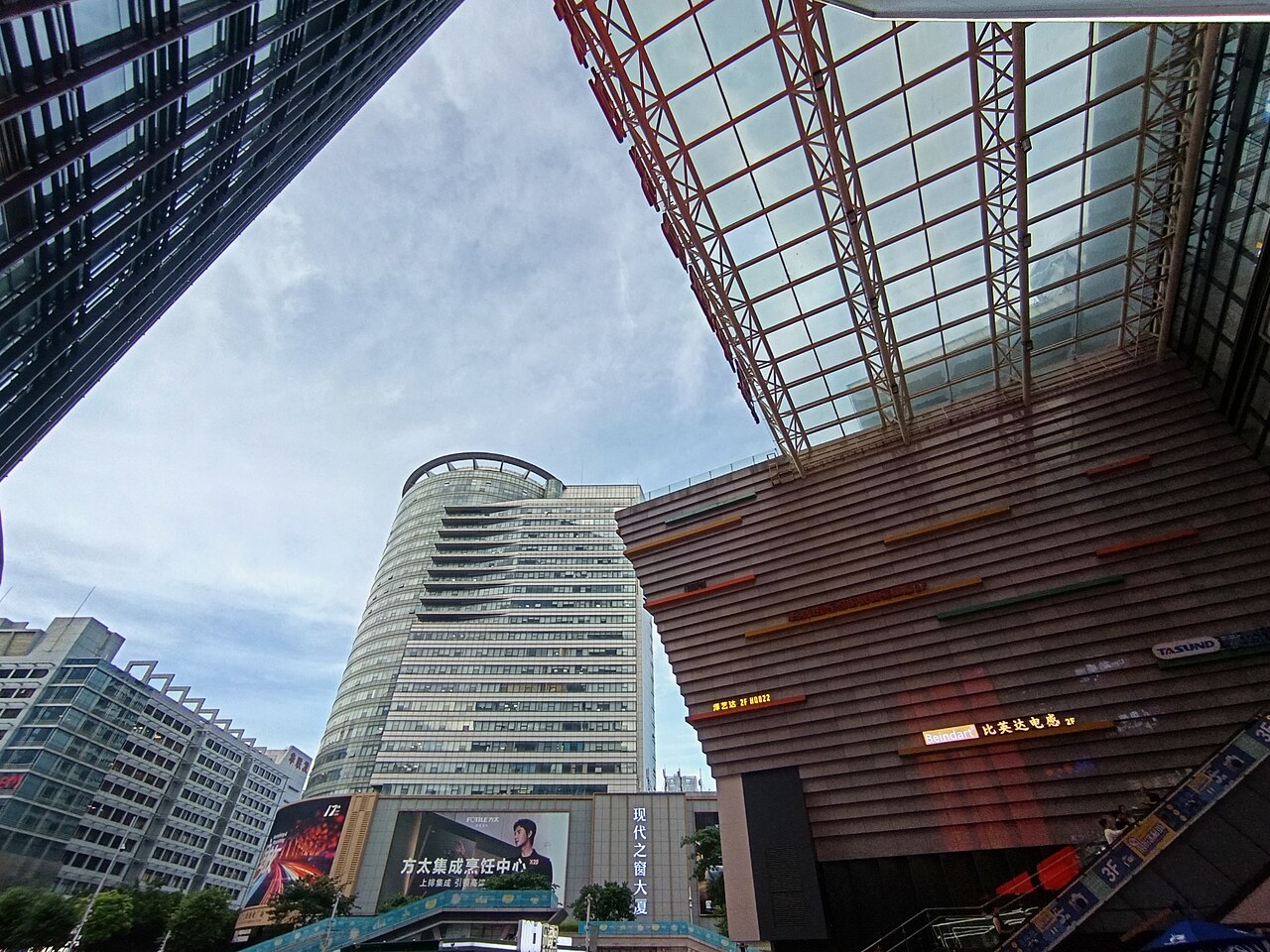
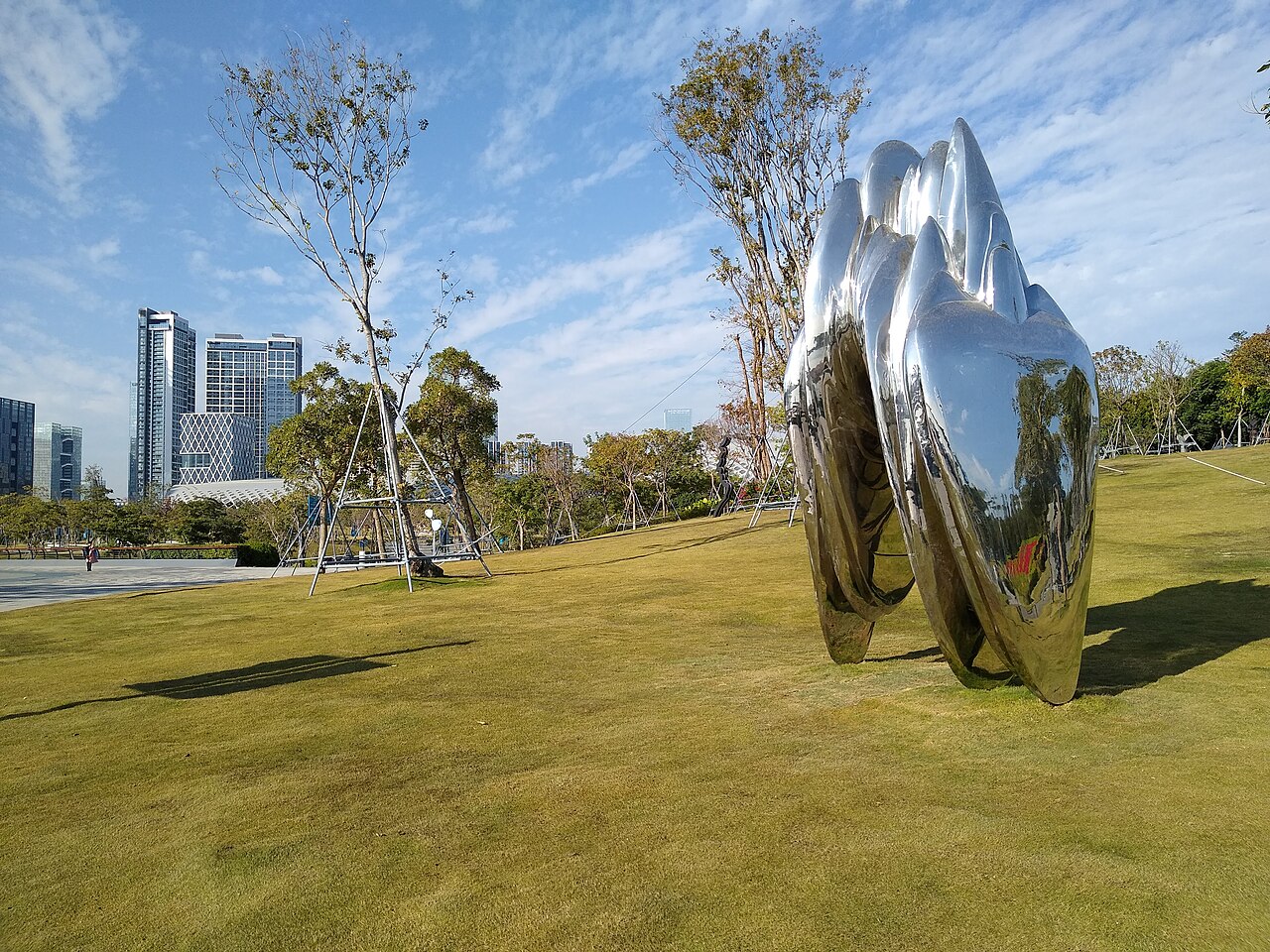
Going in via Futian and coming back via Luohu, rather than using the same crossing both ways, cuts down on backtracking.
Final thoughts
Shenzhen is genuinely close to Hong Kong, and you can enjoy a lot of it in a single day. That said, crossing hours, fares and the visa-exemption deadline have all changed several times in the past year alone. This article reflects information as of November 2026, so take another look at the official pages of the Hong Kong Immigration Department, the MTR and the Chinese embassy before you set off. If you have questions, leave a comment — I'll answer what I can from Dongguan.