Your First Day in Guangzhou and Shenzhen: Riding the Metro and Getting Around (as of November 2026)
Guangzhou and Shenzhen are a short high-speed train ride apart, yet they couldn't be more different in character: Guangzhou, a trading city with more than a thousand years of history, and Shenzhen, which has grown into a megacity over the past forty-odd years. What visitors need to know on day one, though, is the same in both: how to ride the metro, how to get payments ready, and how to find your way around on foot. This article covers city transport and the basics of your first day in each, based on official information as of November 2026.
What the two cities have in common
- The metro is the most reliable way to get around. Both have extensive networks and low fares.
- You can ride by tapping a foreign card. Both cities rolled this out to every station in 2025–2026 (see below).
- Daily life is almost entirely cashless. Restaurants and shops basically run on Alipay and WeChat Pay. For Alipay setup, see "02 Alipay for Foreign Visitors"; for must-have apps, see "03 Essential Apps."
The Guangzhou metro
Fares
According to Guangzhou Metro's ticketing rules, fares are distance-based.
- Up to 4 km: 2 yuan
- 4–12 km: +1 yuan per 4 km
- 12–24 km: +1 yuan per 6 km
- Over 24 km: +1 yuan per 8 km
- The Zhujiang New Town automated people mover (APM line): flat 2 yuan
A one-day pass (unlimited rides for 24 hours from first entry) is 20 yuan, and a three-day pass (72 hours) is 50 yuan. Unused passes can be refunded at stations.
How to pay
Tapping a foreign card: From October 12, 2025, every Guangzhou Metro station accepts contactless payment with foreign-issued Visa, Mastercard, American Express and JCB cards. Just tap at a gate showing the card brand's logo — no ticket or app needed in advance. Being able to use JCB cards issued in Japan is reassuring for travelers from Japan (contactless-enabled cards only).
Ride codes: You can also ride with the "public transport code" in Alipay or WeChat. The rules state that you must enter and exit with a code from the same app. Mixing codes from different apps leaves your trip record incomplete and may get your riding function restricted.
Single-journey tickets: Bought from station machines; valid for entry on the day of purchase from the station of purchase.
Rules to watch
- If you tap but don't pass through the gate within 20 minutes, a single-journey ticket becomes invalid.
- There's a time limit on each trip; exceed it and an extra charge applies.
- Children 1.3 m tall or under, or below school age, ride free.
The Shenzhen metro
Fares
According to the Shenzhen Municipal Transport Bureau, standard-car fares are also distance-based.
- First 4 km: 2 yuan
- 4–12 km: 1 yuan per 4 km
- 12–24 km: 1 yuan per 6 km
- Over 24 km: 1 yuan per 8 km
Line 11 has business-class cars, which are priced separately.
How to pay
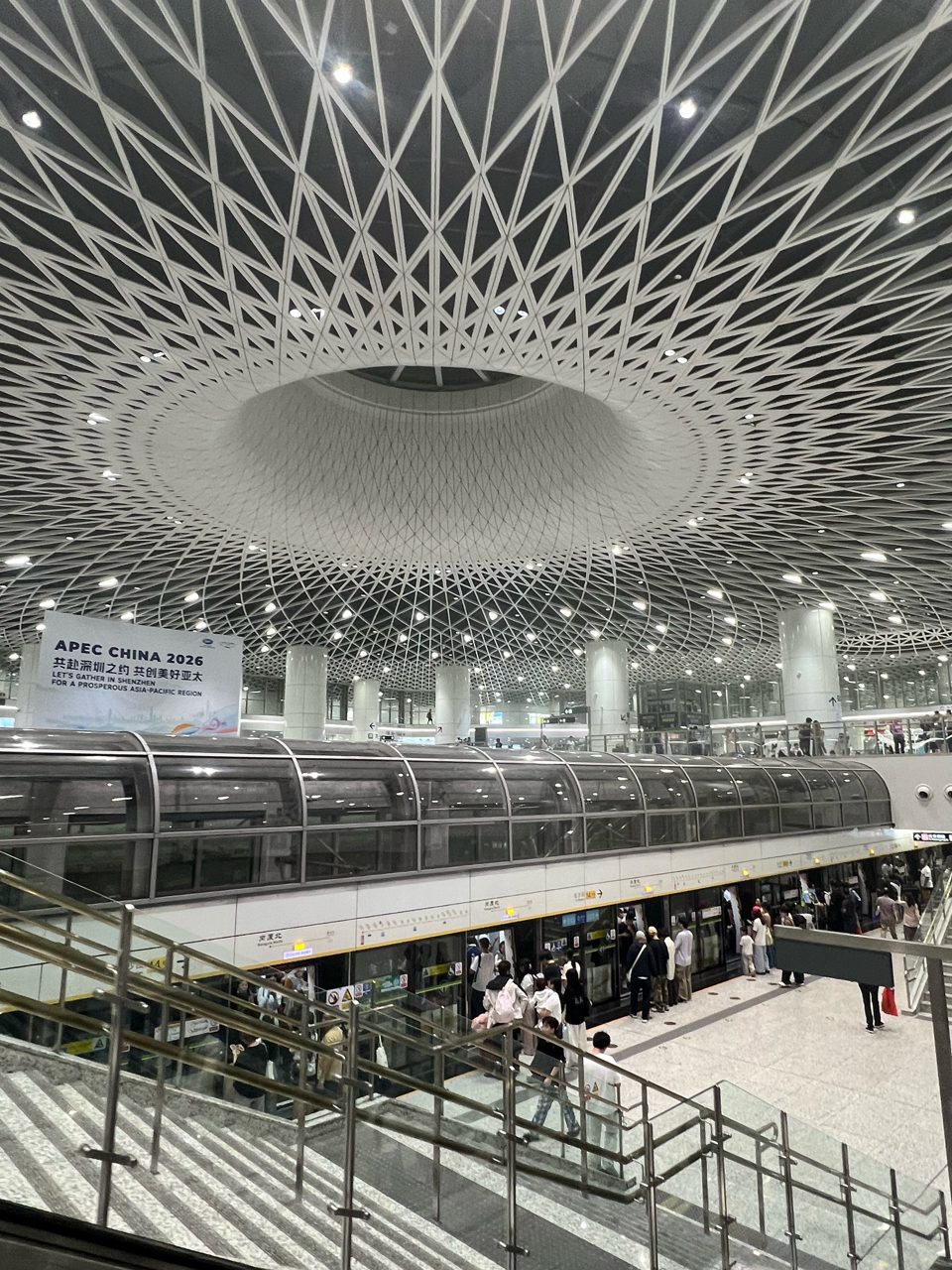
Tapping a foreign card: The Shenzhen Municipal Transport Bureau announced that from September 10, 2026, contactless payment with international-brand cards is accepted on every line and every gate of the Shenzhen metro. That's 17 lines and 432 stations, with five brands accepted: UnionPay, Visa, Mastercard, American Express and JCB. Your card must be contactless-enabled, with small no-signature, no-PIN payments turned on. You can also tap a phone with the card linked, and currency conversion and charging happen automatically. Line 11's business-class cars can be used too, by tapping your card on the validator on the platform.
Ride codes: If you link a foreign card to Alipay or WeChat, you can also use the Shenzhen Metro ride code.
At 30 busy stations, including Luohu, Airport and Gangxia North, bilingual signs explain how to use foreign cards. So if you enter from Hong Kong at Luohu or Futian, you can ride your very first metro by card. How to choose a border crossing is covered in "01 Hong Kong to Shenzhen for the Day."
Ideas for your first day
In Guangzhou
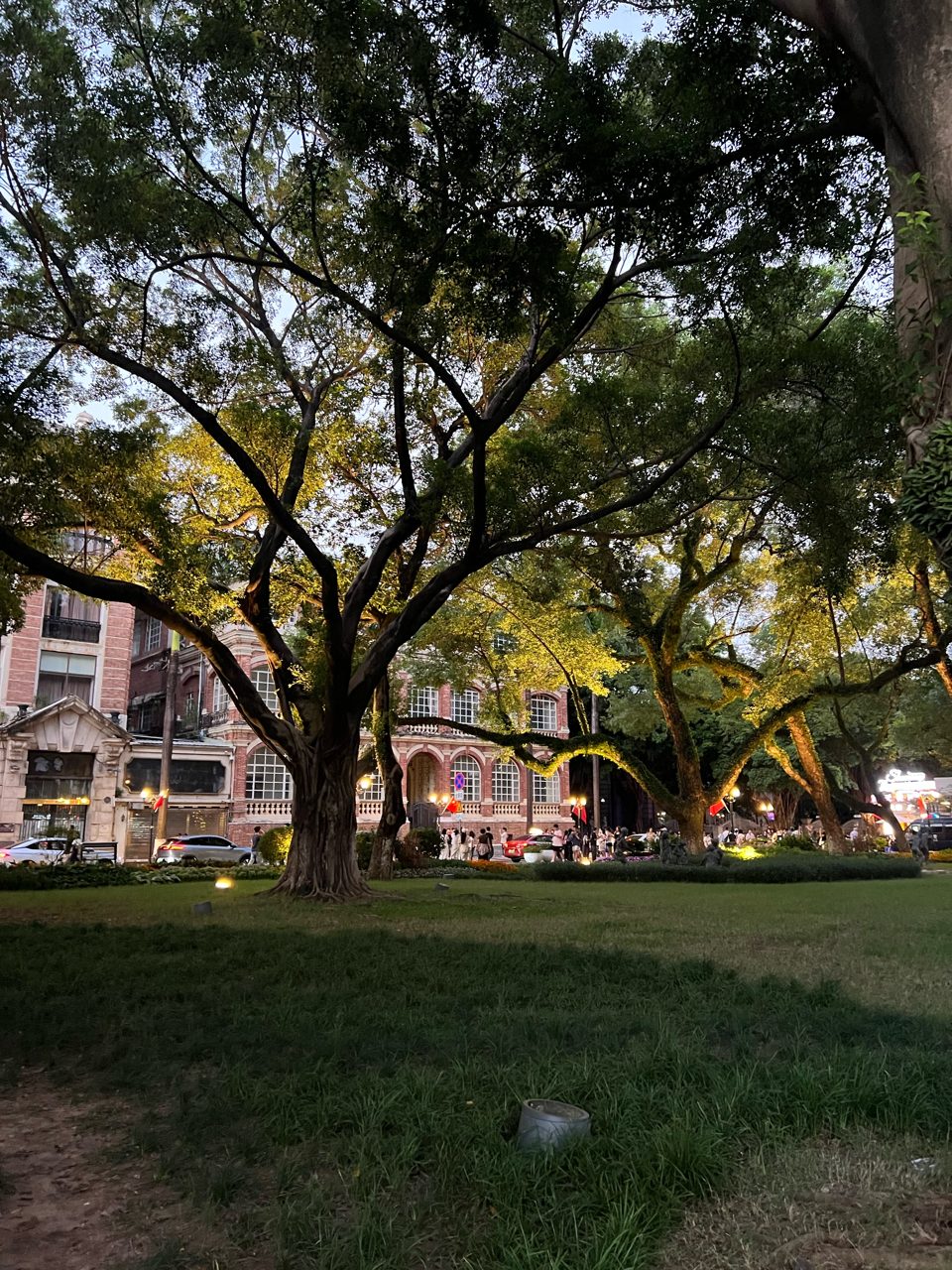
- Shamian: a former concession island on the Pearl River, lined with banyan trees and Western-style buildings. Search "沙面" in a map app and you'll quickly find the nearest metro station and exit.
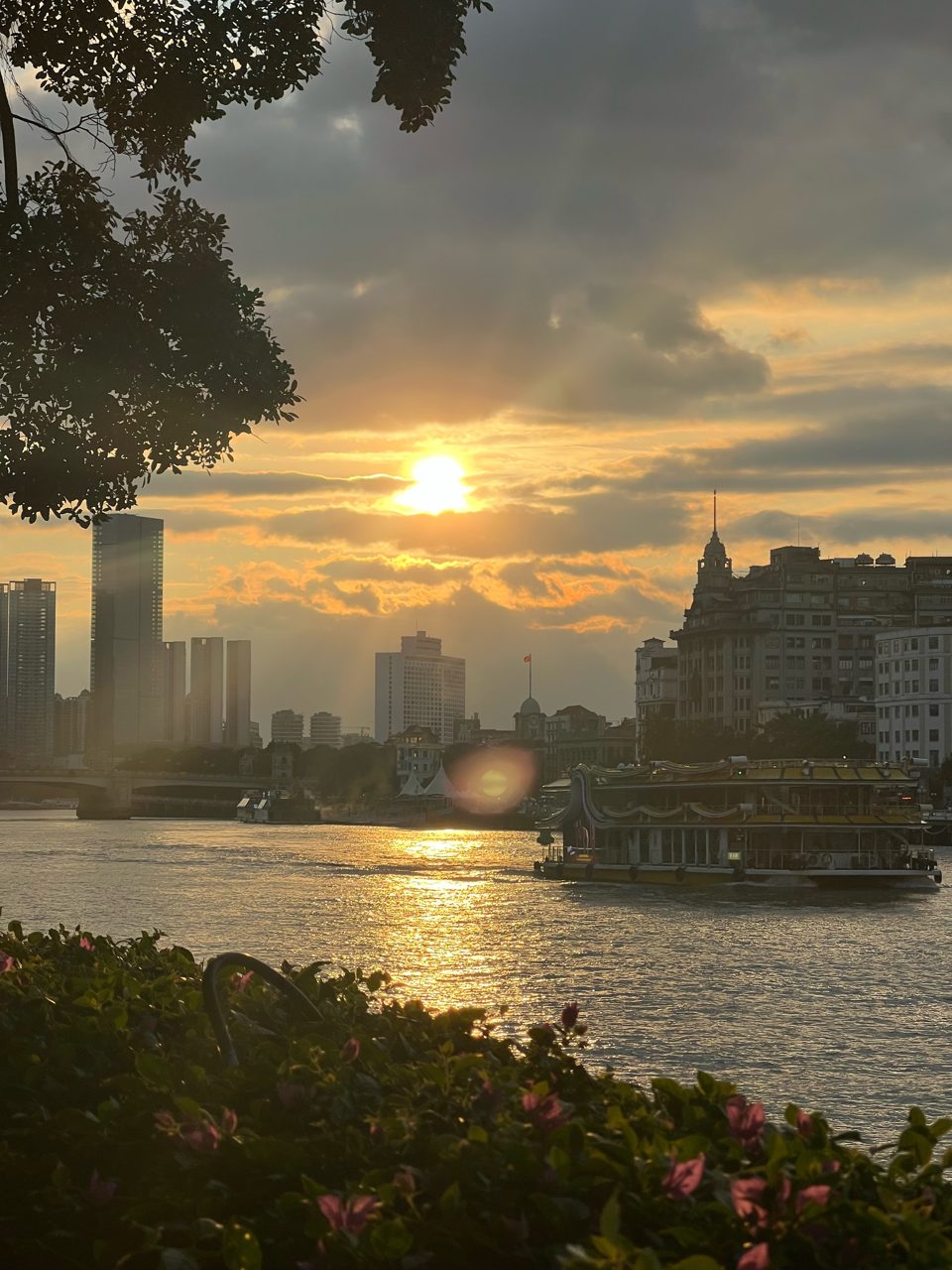
- The Pearl River at dusk: walk along the river as the sun goes down for a classic Guangzhou view.
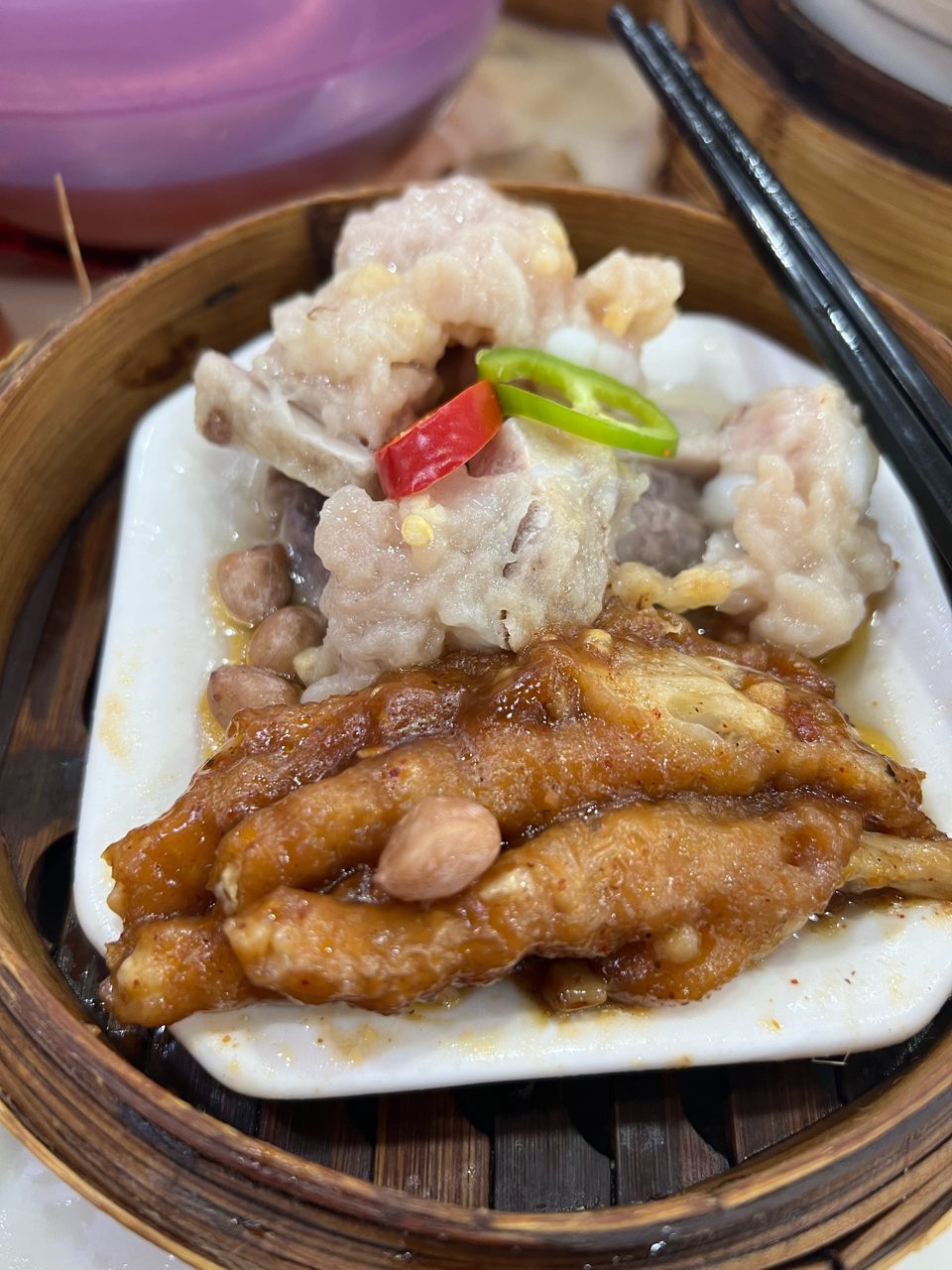
- Dim sum (yum cha): sharing dim sum in the morning or at lunch is everyday Guangzhou. Popular restaurants get crowded on weekend mornings.
In Shenzhen
- Huaqiangbei: the electronics district. It's close to Futian Port and the Futian CBD, so it's easy to fit into a day trip from Hong Kong.
- Shenzhen Bay Park: a park stretching along the Nanshan waterfront, with Hong Kong visible across the bay.
- Nantou Ancient City: cafés and small shops tucked inside old city walls.
What to have ready on day one
- At least two ways to pay. A contactless card and Alipay's ride code, in case one doesn't work.
- An internet connection that works on the mainland. Google and LINE don't work over regular connections.
- A little cash in yuan. You'll rarely need it, but just in case.
- Tickets can often be found in WeChat. Not only in Guangzhou and Shenzhen — many sights in China sell tickets through their own WeChat mini program or Official Account (公众号). Try searching for the sight's name in WeChat.
- Your passport. It's needed for ID checks on high-speed rail and at some venues, and you'll show it at your hotel.
Taxis and ride-hailing
Taxi fares in both cities are officially set.
| Guangzhou | Shenzhen | |
|---|---|---|
| Flag fall | 12 yuan for the first 3 km | 10 yuan for the first 2 km |
| Per km after that | 2.6 yuan | 2.7 yuan |
| Night | 23:00–5:00: per-km rate +30% | 23:00–6:00: flag fall and per-km rate +30% |
| Other | +20% for the 15–25 km portion, +50% beyond 25 km. Fares may go up or down at peak times | Trips from Shenzhen Airport between 23:30 and 6:00: +15 yuan per trip |
That said, given the effort of explaining your destination in Chinese, ride-hailing apps are easier for visitors. According to the Shanghai city government's guide for foreigners, DiDi can be used through its app or through its service inside WeChat; it can be switched to English, and messages with drivers are translated automatically. You can also book it from inside Alipay, with fares paid from your Alipay account. For registering with a foreign phone number or adding a foreign card directly, check the official announcements. Getting DiDi ready is also covered in "03 Essential Apps."
Final thoughts
In Guangzhou and Shenzhen, just learning to ride the metro opens the cities up enormously. Especially since 2025, being able to use foreign cards as is has lowered the first-day hurdle considerably. Fares and accepted brands can change, so check Guangzhou Metro's and Shenzhen Metro's official information before you go.